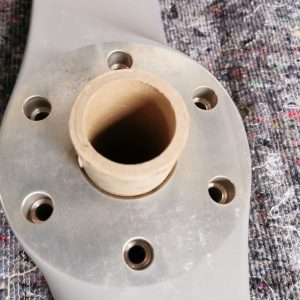
New, Never Installed presents aircraft owners, builders, maintenance facilities, restorers, and aviation parts buyers with an identifiable propeller option for an appropriately verified aircraft installation.
Whether buyers search for a Sensenich Propeller P/N 74DM6-0-60, Sensenich 74DM6 Propeller, or 74DM6-0-60 Aircraft Propeller, complete identification should guide the purchase.
The Sensenich Fixed-Pitch Propeller, Sensenich Aluminum Propeller, Fixed-Pitch Aluminum Propeller, and Aluminum Aircraft Propeller keywords describe important design and material characteristics.
A 74-Inch Aircraft Propeller and 60-Inch Pitch Propeller should be confirmed through manufacturer markings, approved data, and suitable measurement rather than model interpretation alone.
A Two-Blade Aircraft Propeller should be treated as one matched rotating assembly, while a Sensenich Aircraft Propeller should be identified through verified manufacturer markings.
Why the Complete Propeller Designation Matters
The complete propeller designation should be verified through the manufacturer data plate, hub markings, blade markings, serial number, original records, packaging labels, photographs, and available Sensenich technical information.
Original packaging can support the product history but does not replace inspection of the actual propeller.
Separating Storage History from Serviceability
Transparent history helps buyers understand the difference between unused status and current installation readiness.
The propeller should be inspected even when it remains inside original packaging because temperature changes, condensation, impact, chemical exposure, and shifting during transport can affect condition.
Sensenich Fixed-Pitch Propeller Design
The 74DM6-0-60 should be selected using applicable technical data rather than general claims about improved climb or cruise performance.
The pitch configuration affects engine RPM, acceleration, climb characteristics, cruise behavior, and overall loading.
Evaluating Blade and Hub Condition
Aluminum construction offers a durable and proven solution for many general aviation aircraft when the blades, hub, mounting surfaces, leading edges, tips, and protective finish remain within acceptable condition.
Harsh cleaners, abrasive pads, unapproved polishing, and uncontrolled sanding should be avoided because they may damage the finish or alter blade surfaces.
74-Inch Aircraft Propeller Dimensions
Verified dimensions support correct replacement-propeller selection.
Professional measurement supports the responsible use of the 74-Inch Aircraft Propeller.
Documenting the Propeller Configuration
Pitch influences theoretical forward movement, engine loading, achievable RPM, climb behavior, and cruise characteristics.
Any pitch modification should be completed by an appropriately qualified facility and documented accurately.
Selecting an Approved Propeller Installation
The Lycoming O-320 engine family includes different models, power ratings, flange configurations, operating limits, and aircraft applications.
Aircraft modifications, engine conversions, supplemental approvals, spinner changes, cowling alterations, and landing-gear configurations may influence propeller eligibility or clearance.
Two-Blade Aircraft Propeller Configuration
Matched blade condition supports smoother propeller operation.
Careful handling preserves the Two-Blade Aircraft Propeller assembly.
Preparing the Replacement Aircraft Propeller
A genuinely never-installed propeller should not show unexplained fretting, bolt loading, or flange-contact patterns.
The buyer should determine whether approved bolts, nuts, washers, bushings, spacers, spinner bulkheads, and related mounting components are included.
Evaluating Scratches, Dents, and Finish Damage
The depth, location, orientation, and extent of any defect affect the appropriate inspection or corrective action.
Unauthorized sanding, filing, blending, refinishing, or polishing should be avoided.
Identifying Moisture-Related Damage
The hub, bolt holes, blade roots, edges, and areas beneath packaging deserve particular attention.
Responsible storage protects the Fixed-Pitch Aluminum Propeller.
Certified Aircraft Propeller Status
The buyer should confirm the data plate, serial number, production information, conformity records, release documents, and exact approved aircraft application.
A release certificate or service tag belonging to another serial number does not establish the condition of the offered unit.
Maintaining Aircraft Propeller History
Conflicting or incomplete identification should be resolved before payment or installation.
Paperwork should not be interpreted beyond its actual scope or current relevance.
Evaluating a New Never-Installed Propeller
A pre-purchase review should confirm the complete model, serial number, diameter, pitch, blade count, hub configuration, mounting pattern, manufacturing information, storage history, physical condition, applicability, and documentation.
- Determine whether factory paperwork, release documents, mounting hardware, spacers, spinner components, protective covers, and shipping materials are included.
- Review the history for trial fitment, dropped handling, transportation impact, moisture exposure, chemical contamination, improper storage, or unauthorized repair.
- Inspect and photograph the propeller immediately after delivery before cleaning, measuring, balancing, repairing, mounting, or modifying it.
Safe Freight Handling Procedures
The unit should not rest against hard surfaces that concentrate loads on a blade edge or tip.
The propeller should remain immobilized throughout transport.
Storing the 74DM6-0-60 Propeller
Responsible storage preserves the future usefulness of the Aluminum Aircraft Propeller.
Preservation materials should be removed using appropriate procedures before inspection or installation.
Installing the Sensenich 74DM6-0-60
Incorrect bolts, unsuitable washers, damaged threads, or improvised spacers should not be used.
Spinner components should maintain suitable alignment, attachment, and clearance without causing stress or imbalance.
A ground run should not replace incomplete compatibility research or required technical inspection.
Protecting Long-Term Propeller Condition
Unapproved filing or sanding can remove excessive material and alter the blade geometry.
The propeller should receive additional inspection after a suspected strike, sudden engine stoppage, overspeed, severe vibration, loose installation, lightning-related concern, or transportation impact.
Evaluating Never-Installed Propeller Pricing
Original packaging can improve presentation and provenance but does not replace physical examination.
Availability of qualified maintenance support and approved installation data can influence long-term ownership value.
Final Thoughts on the Sensenich 74DM6 Propeller
The Sensenich Propeller – P/N 74DM6-0-60
Careful technical and commercial review can reduce compatibility problems, missing-hardware expenses, storage-related concerns, installation delays, inspection website costs, and documentation issues.
Whether the product is described as a 74-Inch Aircraft Propeller, 60-Inch Pitch Propeller, Lycoming O-320 Propeller, or General Aviation Propeller, aircraft-specific applicability remains essential.
With verified identity, suitable dimensions, documented storage, acceptable physical condition, professional installation, and routine maintenance, the propeller can provide dependable long-term value.